
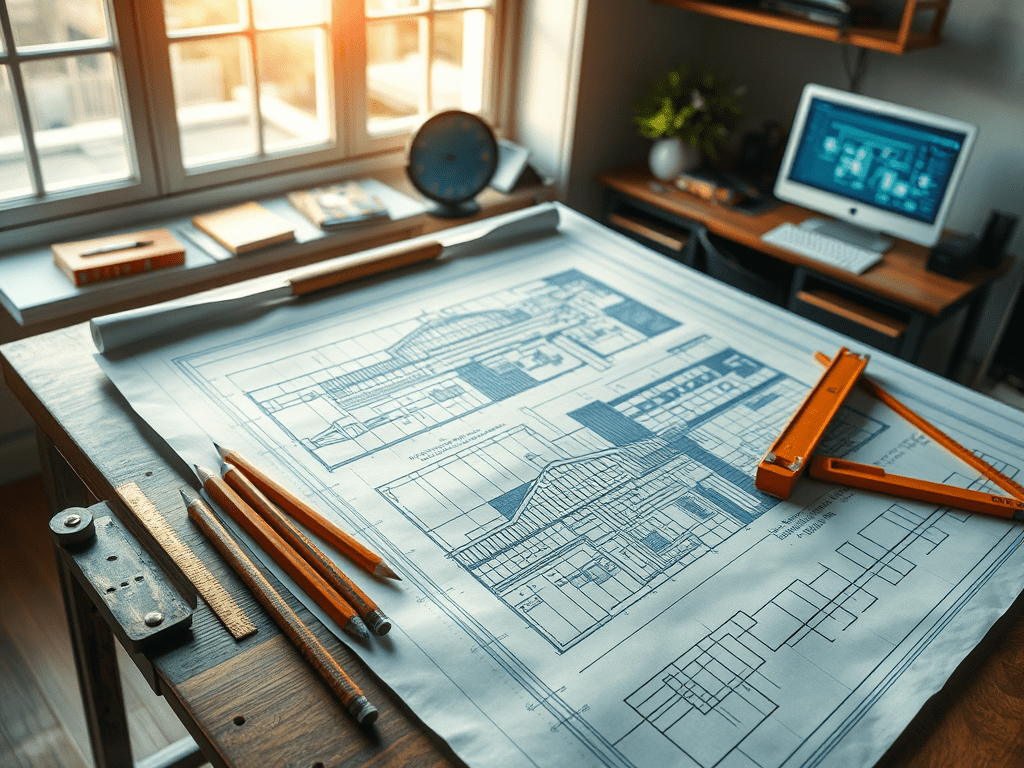
From Pencil to Pixels: The Evolution of Architectural Design
When I first started in architectural design, the tools of the trade were far from the digital precision we rely on today. Instead of CAD software, we had pencils, pens, rulers, and acetate paper. Drafting tables were the heart of any design office, where we spent countless hours sketching out plans, erasing errors, and making corrections. Those who were part of that era will remember the razor blade—a tool that wasn’t just for sharpening pencils but for carefully scraping away ink from acetate when a design change was needed. The process required patience, precision, and a steady hand, as one wrong move could ruin hours of meticulous work.
As technology advanced, these traditional methods were gradually replaced by computer-aided design software, which transformed the way architects and designers worked. While the precision and efficiency of digital tools are undeniable, there’s something nostalgic and deeply personal about the tactile experience of drawing by hand.
What is a Blueprint?
The word blueprint is a direct nod to an old photographic printing process known as cyanotype, which dates back to the mid-19th century. This process involved coating paper with a light-sensitive solution and then exposing it to sunlight through a translucent drawing. The result? A print with white lines on a deep blue background—a striking visual that gave the name “blueprint.”
Blueprints quickly became the standard for reproducing architectural drawings due to their simplicity, durability, and cost-effectiveness. They were a vital tool in construction and design, enabling engineers and builders to follow plans with precision.
Today, the term “blueprint” has transcended its original meaning. While most architectural designs are now created and shared digitally, the word is still used to describe a detailed plan or strategy, preserving its connection to the world of design and engineering.
Reflecting on the Journey
Looking back, the shift from hand-drawn designs to digital workflows represents more than just a technological evolution—it’s a testament to how the field of architecture adapts to innovation. For those of us who started with pencils and acetate, there’s a deep appreciation for both the artistry of traditional methods and the capabilities of modern tools.
While the razor blade and drafting table may now be relics of the past, they remain a vital part of the story of architectural design—a story that continues to evolve with each new generation of designers.

 Nick Garvey MCIOB - Chartered Construction Manager
Leave a comment