
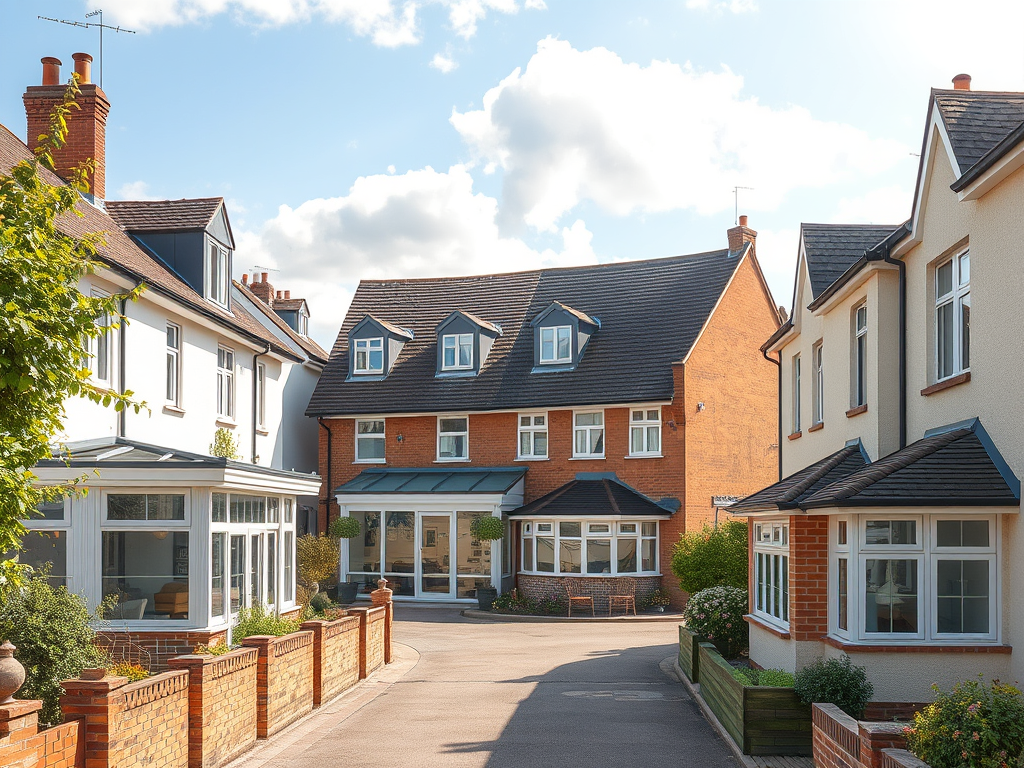
Navigating the UK’s planning system can feel daunting, especially when trying to determine what changes you can make to your home without seeking planning permission. Thankfully, the concept of permitted development rights simplifies this process for homeowners. This blog will explain what constitutes permitted development, what is not allowed, and how the rules apply to several types of properties in the UK.
What Are Permitted Development Rights?
Permitted development rights are a set of rules established by the UK government that allow homeowners to make specific changes to their properties without needing formal planning permission. These rights are designed to simplify minor home improvements while ensuring they do not negatively impact neighbours or the local environment.
Key Points About Permitted Development:
• They apply to residential properties (houses) and include works like small extensions, loft conversions, and outbuildings.
• Flats, maisonettes, and listed buildings generally do not have permitted development rights.
• Rights may be restricted in conservation areas, national parks, or areas with special planning rules (Article 4 Directions).
Examples of Projects Allowed Under Permitted Development
Below are the most common types of home improvements allowed under permitted development, along with their basic criteria:
1. Single-Storey Extensions
• Size Limits: You can extend up to 4 metres beyond the rear wall for detached houses, or 3 metres for other property types.
• Height: The extension must not exceed 4 metres in height.
• Width: Must not be more than half the width of the original house.
• Neighbours: For larger rear extensions (up to 8 metres for detached houses), you must go through the Neighbour Consultation Scheme, where neighbours have the right to object.
2. Loft Conversions
• Volume Limits:
• Detached houses: Up to 50 cubic metres.
• Other houses: Up to 40 cubic metres.
• Height Restrictions: No extensions above the current roofline are permitted.
• Windows: Side-facing windows must use obscure glazing to protect neighbours’ privacy.
• Roof Changes: You can add dormer windows, but they must not overhang the roof slope.
3. Porches
• Size: You can add a porch without permission if it:
• Covers less than 3 square metres.
• Is under 3 metres in height.
• Is at least 2 metres away from any boundary with a highway.
4. Outbuildings and Sheds
• Use: Outbuildings can be used as garages, home offices, or storage, but they cannot be for residential accommodation.
• Height: Single storey with a maximum height of 4 metres (pitched roof) or 2.5 metres if within 2 metres of a boundary.
• Area: Must not cover more than 50% of the land surrounding the original house.
5. Windows and Doors
• Replacing or installing new windows and doors typically does not require planning permission unless the property is listed or in a conservation area.
• Bay windows: These are considered extensions and must comply with extension rules.
6. Solar Panels
• Solar panels can generally be installed under permitted development, provided they do not extend more than 200mm from the roof surface and are not installed on the principal elevation in conservation areas.
When Do You Need Planning Permission?
While permitted development rights cover many common projects, there are clear instances where planning permission is required. These include:
1. Extensions Beyond Permitted Development Limits
• Any extension that exceeds size, height, or volume limits.
• Adding multiple storeys to your home.
2. Change of Use
• Converting a property from one use class to another, such as turning a residential home into a business premises.
3. Properties in Restricted Areas
• Conservation areas, national parks, and Areas of Outstanding Natural Beauty (AONBs) often have stricter rules. Even minor changes like adding a conservatory or changing windows may require permission.
4. Listed Buildings
• Any alteration to a listed building, internal or external, typically requires listed building consent. This includes painting, replacing windows, or adding fences.
5. Demolition
• Full or partial demolition of structures often requires planning permission, particularly in conservation areas.
How to Check Your Permitted Development Rights
1. Consult the Planning Portal
The Planning Portal (planningportal.co.uk) is an official government resource that provides detailed guidance on permitted development.
2. Contact Your Local Planning Authority (LPA)
Your local council can confirm whether your project falls under permitted development or if restrictions apply.
3. Submit a Lawful Development Certificate
If you are unsure, you can apply for a Lawful Development Certificate (LDC) to confirm your project does not require planning permission. While not mandatory, an LDC provides peace of mind and proof for future property sales.
Common Mistakes to Avoid
Even with the convenience of permitted development rights, mistakes can occur. Here are common pitfalls to watch out for:
1. Overlooking Boundary Rules: Ensure your project is within height and proximity limits to avoid disputes with neighbours.
2. Ignoring Conservation Area Rules: Always check if your property is in a restricted zone before starting work.
3. Neglecting the Neighbour Consultation Scheme: Larger rear extensions require neighbour feedback under this scheme.
4. Failing to Account for Previous Extensions: Permitted development limits include past extensions. If the original house has already been extended, your rights may be reduced.
What Happens If You Breach Planning Rules?
Undertaking work that exceeds permitted development or requires planning permission without obtaining it can lead to:
• Enforcement Action: Local authorities can demand changes or removal of unauthorised works.
• Fines or Legal Action: Non-compliance with enforcement notices can result in hefty fines.
• Complications When Selling Your Home: Unauthorised works can deter buyers or delay sales.
To avoid these issues, always ensure your project complies with the rules or secure planning permission where necessary.
The Role of Building Regulations
It is important to note that building regulations approval is separate from planning permission and applies to most construction projects. Even if your project is covered by permitted development rights, you may still need to comply with building regulations for:
• Structural safety.
• Fire safety.
• Insulation standards.
• Drainage and electrical work.
Conclusion
Permitted development rights provide a valuable framework for homeowners to make improvements without the red tape of planning permission. However, these rights are not unlimited. Understanding the rules, consulting with local authorities, and seeking professional advice where necessary will help you navigate the planning system confidently.
Quick Checklist for Homeowners:
1. Review the specific limits for your project type (extensions, loft conversions, etc.).
2. Check if your property is in a restricted area or is listed.
3. Consult your Local Planning Authority or the Planning Portal for clarification.
4. Apply for a Lawful Development Certificate if in doubt.
5. Ensure compliance with building regulations alongside planning rules.
By following these steps, you can transform your home while staying within the law.

 Nick Garvey MCIOB - Chartered Construction Manager
Leave a comment