
Architectural
-

Tips for Successful HMO Conversions
Investing in a House in Multiple Occupation (HMO) is a popular way to generate high rental yields. However, the process of finding the right property, securing the necessary permissions, and ensuring compliance with legal standards can be complex. This guide combines insights into planning permissions, property requirements, and the importance of professional expertise to help…
-
How to Overcome Planning Permission Refusal in the UK
Receiving a rejection on your planning permission application can be disheartening, but it’s not the end of the road. In fact, many planning refusals in the UK can be successfully overturned or amended with the right approach. Here, we’ll guide you through the practical steps you can take to get your plans back on track,…
-

Planning Permissions for Disability-Related Home Changes
When a household member has a disability, extending your home may become a necessity to accommodate their needs and improve their quality of life. Whether it’s adding an accessible bedroom, wet room, or ramps, adapting your property can make a significant difference. However, obtaining planning permission for such extensions can sometimes be challenging. One way…
-

Improve Your Planning Application with a DAS
A Design and Access Statement (DAS) is an essential document that accompanies certain planning applications and listed building consents in the UK. While not always required for domestic projects, providing one can significantly enhance the likelihood of your planning application being approved. It demonstrates to the planning authority that your proposal is well thought-out, aligns…
-

Your Guide to Planning a Home Extension in the UK
Adding a home extension in the UK can greatly improve living space and lifestyle, catering to needs like additional bedrooms or a home office. Essential steps include checking planning permissions, hiring an architect, and budgeting effectively. Proper planning ensures an extension enhances both property value and functionality for the future.
-

Can the UK Labour Government Deliver 1.5 Million New Homes in 5 Years?
The UK Labour government aims to build 1.5 million homes in five years to address a housing crisis. Achieving this ambitious target involves reforming planning systems, increasing public investment, collaborating with the private sector, redeveloping brownfield sites, using modern construction techniques, expanding the workforce, and ensuring infrastructure support. Success hinges on overcoming substantial challenges.
-

How to Maximise Your Chances of Successfully Applying for Planning Permission in the UK
Securing planning permission for a home improvement or construction project in the UK can be a daunting process, but with the right preparation and steps, you can significantly increase your chances of success. From understanding the legal framework to fostering good relationships with neighbours, a strategic approach is key. In this blog, we’ll outline the…
-

Effective Strategies to Tackle Damp and Mould
With winter upon us and longer nights bringing colder, damper conditions, many households face the persistent challenge of damp and mould. This situation not only creates an uncomfortable living environment but can also lead to significant structural damage over time if not addressed promptly. The presence of damp and mould can compromise the air quality…
-
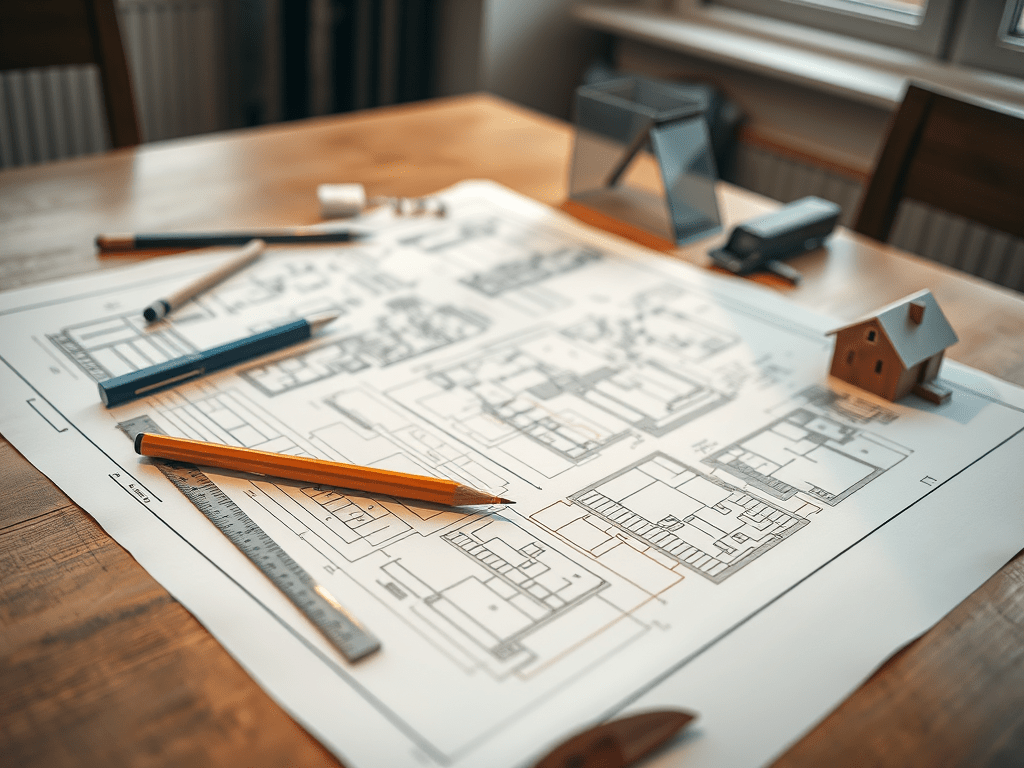
Why You Still Need Technical Blueprints for a Home Extension Under UK Permitted Development Rules
Even under UK Permitted Development rules, technical blueprints are crucial for home extensions. They ensure compliance with Building Regulations, facilitate clear communication with builders, provide accurate pricing for quotes, and future-proof your property. Professional drawings help avoid costly mistakes and delays, ultimately offering better value for money and enhancing property value.
-

Making Your Business Accessible: Key Legal Requirements
Ensuring Accessibility: A Guide to Reasonable Adjustments for Business Premises Under the Equality Act 2010 Introduction Under the UK Equality Act 2010, businesses have a legal obligation to make reasonable adjustments to ensure that their premises are accessible to all, including individuals with disabilities. This paper outlines what constitutes appropriate reasonable adjustments for accessing a…
 Nick Garvey MCIOB - Chartered Construction Manager