
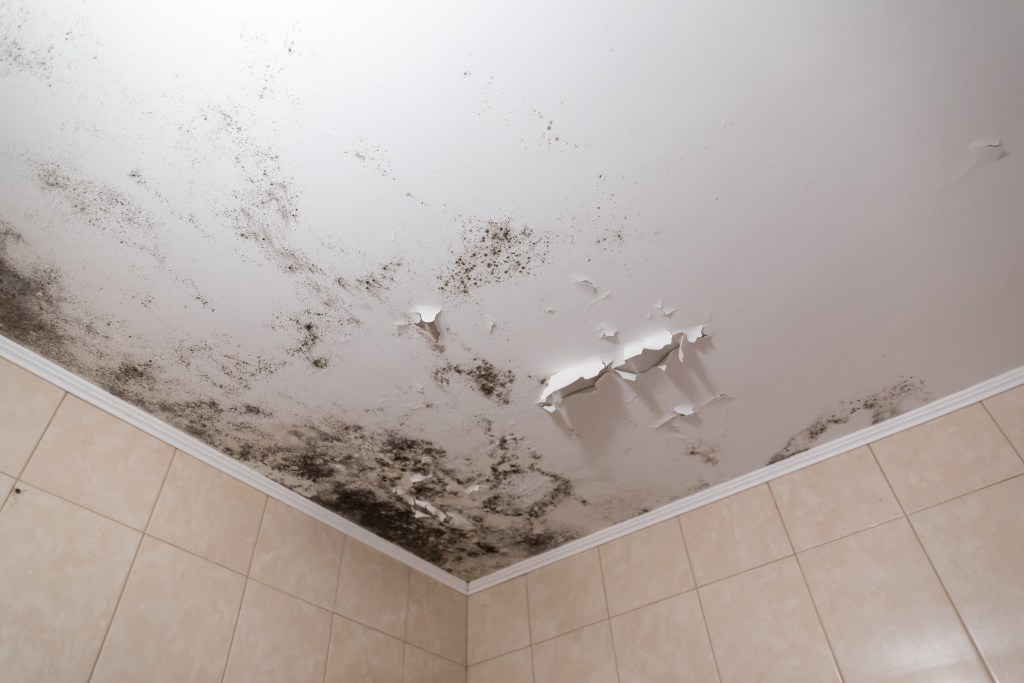
With winter upon us and longer nights bringing colder, damper conditions, many households face the persistent challenge of damp and mould. This situation not only creates an uncomfortable living environment but can also lead to significant structural damage over time if not addressed promptly. The presence of damp and mould can compromise the air quality within your home, potentially causing health issues that affect not just respiratory health but also contribute to long-term allergic reactions and other related ailments. Moreover, individuals with pre-existing health conditions, such as asthma or weakened immune systems, may experience amplified symptoms in such settings. Fortunately, with the right strategies, including proper ventilation, moisture control, and frequent inspection of vulnerable areas, you can tackle damp and mould effectively and prevent them from becoming recurring problems. By educating yourself on the signs of damp, such as discoloration and a musty smell, and taking proactive measures to mitigate humidity levels, you can create a safer and healthier home environment for yourself and your family this winter.
Here, we’ll outline the causes of damp and mould, the steps to eliminate them, and best practices to ensure they don’t return.
Understanding the Causes of Damp and Mould
Damp occurs when excess moisture builds up within a property, creating the perfect breeding ground for mould spores. Common causes include:
• Condensation: The most frequent cause, often stemming from poor ventilation and excessive moisture from cooking, showering, or drying clothes indoors.
• Rising Damp: Groundwater rising through walls and floors due to a broken or missing damp-proof course.
• Penetrating Damp: Water entering the property through damaged roofing, windows, or walls.
Steps to Eradicate Damp and Mould
1. Identify the Source
The first step is understanding the root cause of the issue. Check for:
• Water stains on ceilings and walls (indicating leaks).
• A musty smell or visible mould patches on walls, ceilings, or furniture.
• Peeling wallpaper or bubbling paint, a sign of rising or penetrating damp.
If unsure, consider hiring a professional damp surveyor to assess the problem.
2. Treat the Mould
• Clean Affected Areas: Use a specialised mould remover or a mixture of one part bleach to four parts water. Wear protective gloves and ensure the area is well-ventilated while cleaning. Avoid dry-brushing mould, as it can release spores into the air.
• Dispose of Contaminated Materials: If mould has deeply penetrated soft furnishings, carpets, or wallpaper, you may need to discard them.
3. Fix Structural Issues
• Repair leaking roofs, gutters, or windows to prevent water ingress.
• Ensure your damp-proof course is intact; if not, invest in professional repairs.
4. Improve Ventilation
Proper airflow is crucial in combatting damp and mould. Consider:
• Installing extractor fans in kitchens and bathrooms.
• Keeping windows slightly ajar (where secure) or using trickle vents.
• Using dehumidifiers to reduce indoor moisture levels.
5. Control Humidity Levels
• Dry clothes outside where possible or use a tumble dryer with a vent.
• Avoid overfilling rooms with furniture, as this can block airflow.
Preventing Future Damp and Mould Issues
Prevention is better than cure, and maintaining a healthy home environment requires ongoing effort. Here are some proactive measures:
• Insulation and Heating: Ensure your home is adequately insulated and maintained at a steady temperature during colder months. Cold surfaces encourage condensation, so insulation is a key defence.
• Regular Maintenance: Periodically check for leaks, broken seals, or blocked gutters. Address these issues promptly to prevent water ingress.
• Use Anti-Mould Paints: For problem areas, such as kitchens or bathrooms, apply anti-mould or moisture-resistant paints to help inhibit spore growth.
Why Damp and Mould Shouldn’t Be Ignored
Ignoring damp and mould can have serious consequences. Prolonged exposure can worsen asthma, bronchitis, and allergies, especially in children or the elderly. Moreover, untreated damp can lead to costly structural repairs over time.
If you’re struggling with persistent damp or mould, it’s wise to consult professionals. At Blueprint Home Design Ltd., we’ve worked with homeowners to identify and resolve these issues, ensuring their properties remain healthy and safe.
For more expert advice, check out resources from trusted organisations like The UK Centre for Moisture in Buildings or the NHS guide on mould and damp.
Final Thoughts
Damp and mould don’t have to be a constant battle. By addressing the root cause, taking proactive measures, and committing to ongoing maintenance, you can ensure your home remains dry, comfortable, and mould-free.

 Nick Garvey MCIOB - Chartered Construction Manager
Leave a comment